Wednesday, December 31, 2014

Three of a Gazillion Seaside Towns of Puglia

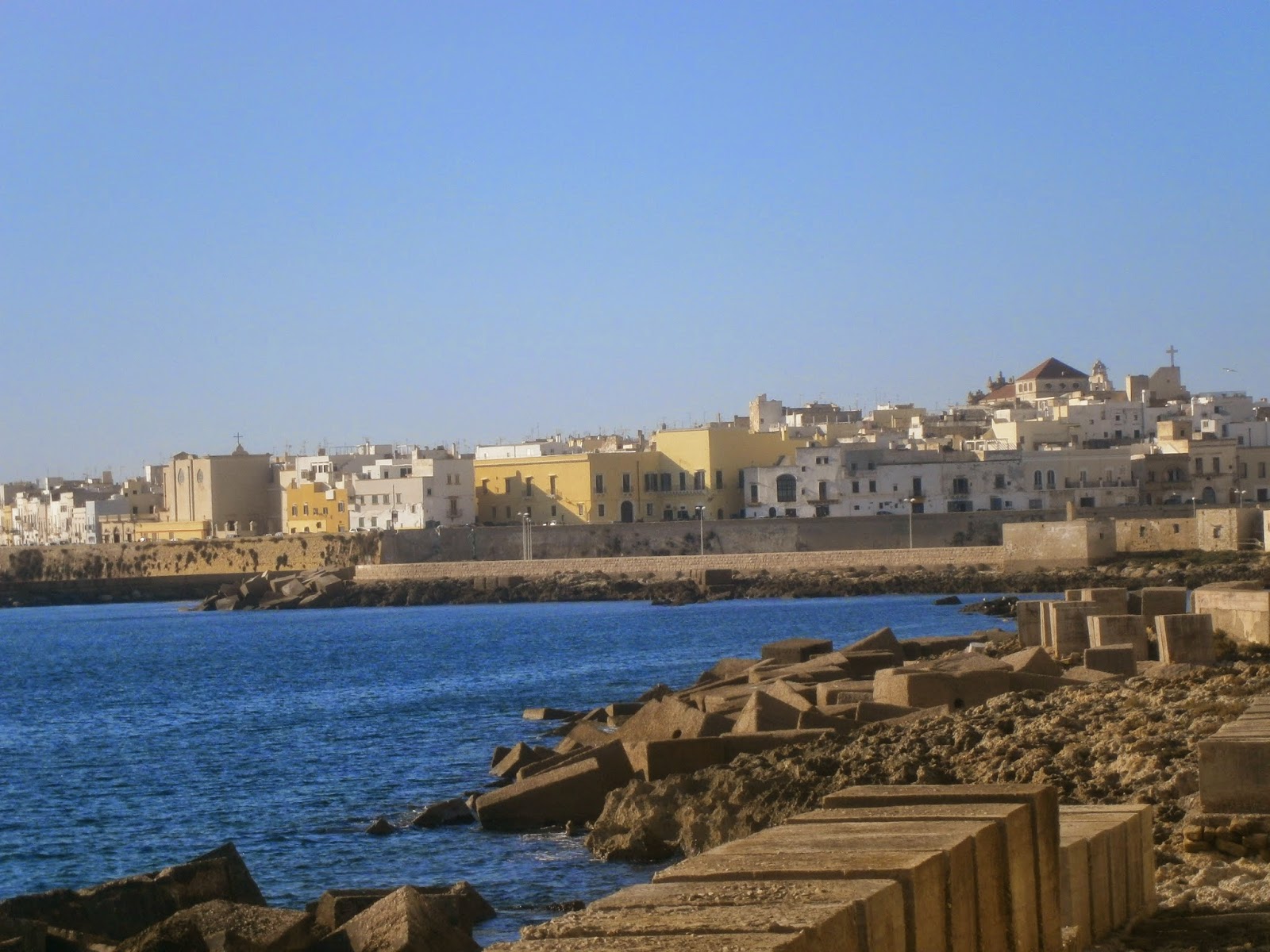
that band of blue in the background is the sea

I hate to admit it, but one really should have a car to visit the seaside in Puglia. Especially in winter (low season) when there is virtually no public transport to get anywhere. So my dreams of long walks on cliffs and beaches never did happen. But how whiny is that? Of course, I still did see the sea and enjoyed walking in some quaint little towns and devouring local food and wine. And really, what more could a girl ask for?
the sea: so close yet so far

Ostuni isn’t technically by the sea though you can see the blue waters in the distance and it’s only a few kilometres from a national park on the coast. However, the day we came here was the only day on our trip that it rained. We drank Prosecco until it stopped and then explored the town, nicknamed “The White Town” (though it didn’t seem any whiter than the other towns we visited).
more of a light grey after the rain

The highlight of the day though was going to a nearby masseria (farm) to see how olive oil has been produced here since Roman times. We were given an individual tour showing the methods and then were allowed to sample a few varieties. To sample olive oil, put some on a spoon and warm it with your hands, then put it in your mouth and hold it for a moment before swallowing. Olive oil shouldn’t taste like olives. The kind I prefer has a peppery finish.
animals and men alike worked down here to mash the olives

Monopoli is a port city on the Adriatic with a castle, interesting churches, and many beaches (if you have a car to get to them). We spent a pleasant afternoon here strolling through the town and stuffing our faces. The walk from the train station to the beach is about 10 minutes and on the way, I could feel the vibe of the town. Small seaside towns seem to know that they are just a tad cooler than their inland peers. Buildings are more colourful (pinks and yellows and brightly coloured doors), signs for attractions stand ostentatiously, and everyone seems to have a healthy glow from knowing they can get to the beach at any damn time. Monopoli is a quaint little place and despite the mild weather, I think if I'd had a gelato in hand and some sunglasses, I would have felt "now I'm properly on holiday!"

Gallipoli is a small fishing town on the opposite side of the heel on the Ionian Sea. The old town is actually a small island connected by a bridge. It doesn’t take long to walk through the old town and depending on where you’re standing, you can see the sea on all sides. We had yet another sunny stroll and because the small osterias were closed (siesta time), had a fancy seafood lunch overlooking the sea. Apparently this city gets a bit like Florida in the summer with young tourists getting up to all sorts of alcohol-fuelled shenanigans.
I am definitely returning to Puglia just to jump into the sea and travel further south on the heel to where the two seas meet. Did I mention there are a lot of language schools in this area? Two more years until Irish citizenship and permission to teach in the EU!

main square in Ostunui

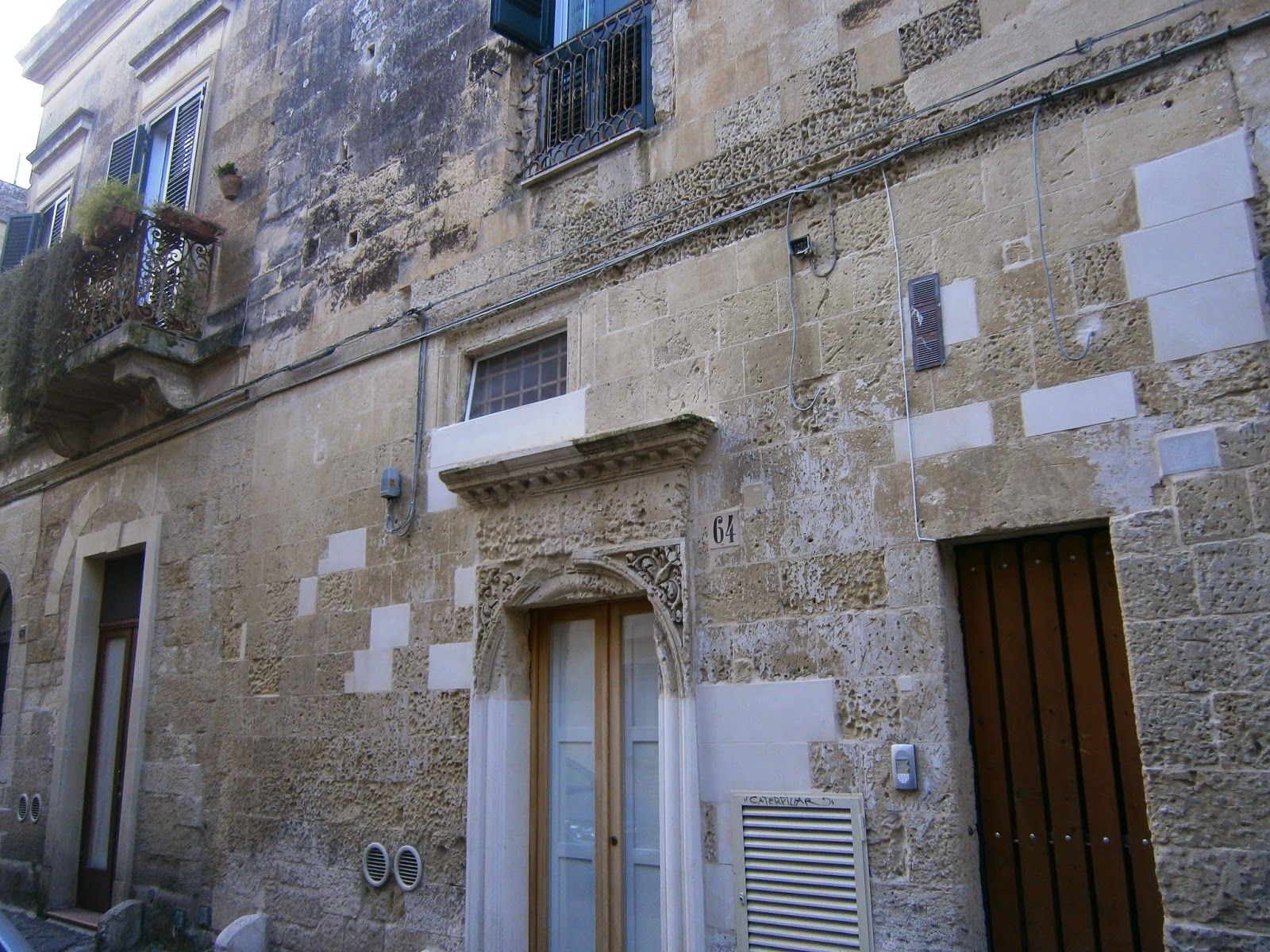
treacherous laneways

even the laundry is white in "the white city"

seaview lane

church

old man and the sea

more olive oil making equipment

Ostuni

Monopoli

Monopoli

Monopoli

Monopoli

castle in Monopoli

Charles V castle


tiny San Domenico church

the man in the picture is guiding us to the street where the restaurant is


Basilica Cattedrale Maria Santissima della Madia

plastic birds

the sea!

Monopoli


Santa hanging out

Galipoli

Galipoli

Greek wall

street in new part of Galipoli

cathedral in Galipoli

bird

bird


can't find the name of this one

fancy schmancy restaurant with about 10 pieces of cutlery


beautiful except for that building on the right......
 

"The Florence of the South"


Lecce is called “The Florence of the South”. Having never been to Florence, I have no idea if this is accurate. We stayed here for two nights and after the small towns we’d been visiting, this city of 95.000 people seemed like a metropolis. It has been an important town for two thousand years and has experienced its fair share of conquering and pillaging. It’s famous for exporting a soft malleable limestone and for having a lot of Baroque architecture. If the other towns were “white cities”, this one is “pale yellow”.

We took a bus to Fasano and a train to Lecce (the internet neglected to tell me that the train station in Cisternino was about 12 km from the actual town). The entire journey took less than two hours so we had time to buy our bus tickets to Napoli before meeting Alessandra at the flat located in the centro historico. S is a genius when it comes to map reading skills. How he found that tiny street on the tiny map with a zillion unmarked tiny windy streets is incredible. I just followed blindly behind. The outside of the flat appeared to be an old rundown building but inside was quite the opposite.


the loft apartment-very modern yet cozy

S leading the way down winding streets to our flat

our hood


We immediately went to the restaurant Alessandra and Paul declared as the best in Lecce and only 50 feet from the flat. And as usual had our fill of wine and food.


restaurant near our flat
For a full afternoon and evening we explored the streets of Lecce. I lost the map on which S had marked all the places we stopped to see so I haven't a clue about the majority of pictures I took. But I realised when starting this post that I only partially mind. Knowledge of architectural styles eludes me and I forget most of the information presented on plaques shortly after reading it. The feeling stays though. The wonder at what it must be like to be surrounded on all sides at all times by creations built by men to declare both their self-worth and devotion to God. Is that why there is so much graffiti? Is it a way for people to say, "Look at the now. We are here. Now." And does the stone and marble become so familiar the residents can't see it the way I do? So while I should be noting the intricate designs on the columns and the choices of figures adorning rooftops, I am aimlessly walking and thinking these thoughts.


love the sun and shadows on the stone

the information said something about this place being a refuge for tortured wives.


the main cathedral


2nd century amphitheatre


stars


nativity scene in an amphitheatre


Church of the Holy Cross 1549-1695


another castle of Charles V

paper mache exhibition

modern art exhibit in the castle


the man is selling vegetables to a woman. she'll lower a bucket with the money
Steven what?

 our flat is the brown wooden door to the right